Embracing Sustainability: A British Perspective
Sustainability has woven itself into the very fabric of British culture, becoming a cornerstone of contemporary societal values. As you…
Sustainability has woven itself into the very fabric of British culture, becoming a cornerstone of contemporary societal values. As you navigate through the bustling streets of London or the serene countryside of the Cotswolds, you may notice a growing awareness and commitment to environmental stewardship among the populace. This shift is not merely a trend; it reflects a deep-seated recognition of the interconnectedness of human activity and the natural world.
The British public increasingly understands that their choices today will shape the environment for future generations, fostering a sense of responsibility that transcends individual actions. Moreover, sustainability in Britain is not confined to environmental concerns alone; it encompasses social and economic dimensions as well. The concept of a sustainable society resonates with the British ethos of fairness and equity, prompting discussions about social justice, community resilience, and economic viability.
As you engage with various communities, you may find that sustainability is often viewed as a holistic approach, integrating ecological health with social well-being and economic prosperity. This multifaceted understanding is crucial in fostering a culture that values long-term sustainability over short-term gains.
Summary
- Sustainability is deeply embedded in British culture, reflecting a national commitment to environmental responsibility.
- Key British industries are adopting sustainable practices to reduce their ecological footprint and promote green growth.
- Government policies actively support sustainability through regulations, incentives, and public awareness campaigns.
- British consumers increasingly prioritise sustainable living, influencing market trends and product availability.
- Innovation and technology play a crucial role in advancing Britain’s sustainability goals and addressing future challenges.
Sustainable Practices in British Industries
In recent years, British industries have begun to adopt sustainable practices at an unprecedented rate. From manufacturing to agriculture, businesses are recognising the importance of reducing their environmental footprint while maintaining profitability. You might observe that many companies are investing in renewable energy sources, such as wind and solar power, to reduce their reliance on fossil fuels.
This transition not only helps mitigate climate change but also positions these businesses as leaders in their respective fields, appealing to a growing consumer base that prioritises sustainability. Additionally, the circular economy is gaining traction across various sectors in Britain. You may come across initiatives aimed at minimising waste through recycling and repurposing materials.
For instance, the fashion industry is increasingly embracing sustainable practices by promoting ethical sourcing and encouraging consumers to buy second-hand or upcycled clothing. This shift not only reduces waste but also challenges the fast-fashion model that has dominated for decades. As you explore these industries, you will likely find that many businesses are not just complying with regulations but are genuinely committed to making a positive impact on the environment.
Government Initiatives and Policies Promoting Sustainability
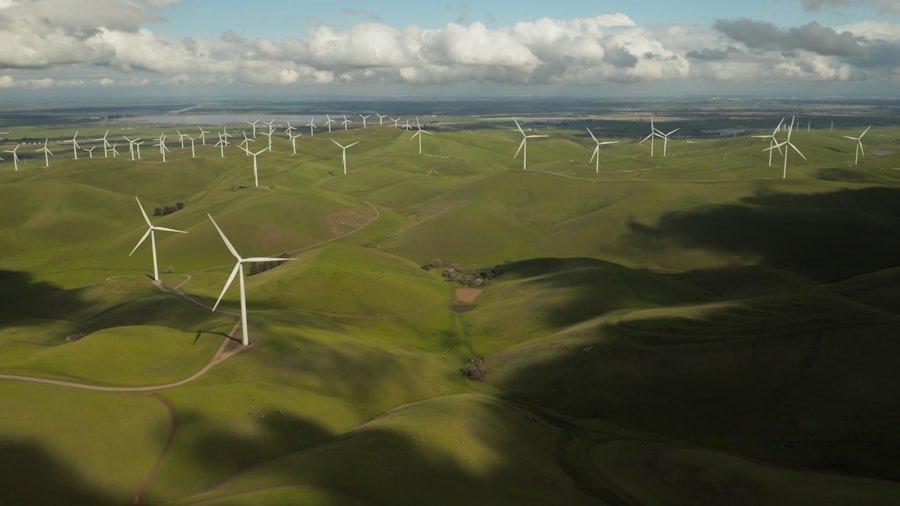
The British government has recognised the urgency of addressing environmental issues and has implemented a range of initiatives and policies aimed at promoting sustainability. You may be aware of the ambitious targets set by the UK to achieve net-zero carbon emissions by 2050. This commitment reflects a comprehensive approach to tackling climate change, encompassing various sectors such as energy, transport, and agriculture.
As you delve deeper into government policies, you will discover that significant investments are being made in green technologies and infrastructure to support this transition. Furthermore, local governments across Britain are also taking proactive steps to promote sustainability within their communities. You might encounter initiatives focused on enhancing public transport systems, encouraging cycling, and creating green spaces in urban areas.
These efforts not only aim to reduce carbon emissions but also enhance the quality of life for residents. By fostering collaboration between local authorities, businesses, and citizens, these initiatives create a shared vision for a sustainable future that resonates with the values of the community.
Sustainable Living and Consumer Choices in Britain
| Metric | Value | Year | Source |
|---|---|---|---|
| Percentage of households practising recycling | 87% | 2023 | DEFRA |
| Proportion of consumers buying organic food | 28% | 2023 | Soil Association |
| Average carbon footprint per person (tonnes CO2e) | 5.4 | 2022 | UK Government |
| Percentage of adults using public transport weekly | 35% | 2023 | Department for Transport |
| Households using renewable energy sources | 22% | 2023 | Ofgem |
| Consumers avoiding single-use plastics | 45% | 2023 | WRAP |
| Percentage of people buying second-hand goods | 30% | 2023 | ONS |
As a consumer in Britain, your choices play a pivotal role in shaping the sustainability landscape. The rise of eco-consciousness among consumers has led to an increased demand for sustainable products and services. You may find yourself gravitating towards brands that prioritise ethical sourcing, environmentally friendly packaging, and transparent supply chains.
This shift in consumer behaviour is not just a passing fad; it reflects a broader cultural movement towards responsible consumption that values quality over quantity. Moreover, sustainable living extends beyond purchasing decisions; it encompasses lifestyle choices that promote environmental stewardship. You might consider adopting practices such as reducing single-use plastics, composting organic waste, or supporting local farmers’ markets.
These small yet impactful actions contribute to a collective effort to minimise environmental harm and promote a more sustainable way of life. As you engage with your community, you may find that sharing knowledge and resources about sustainable living can inspire others to join in this vital movement.
The Role of British Businesses in Embracing Sustainability
British businesses are increasingly recognising that embracing sustainability is not only beneficial for the environment but also essential for long-term success. As you observe various companies, you may notice that many are integrating sustainability into their core business strategies. This shift often involves re-evaluating supply chains, reducing waste, and investing in sustainable technologies.
By doing so, these businesses not only enhance their reputation but also attract a growing base of environmentally conscious consumers. Additionally, collaboration among businesses is becoming more prevalent as companies seek to share best practices and innovate together. You might come across partnerships between organisations aimed at tackling specific sustainability challenges, such as reducing carbon emissions or promoting biodiversity.
These collaborative efforts demonstrate a collective commitment to creating a more sustainable future while fostering a sense of community among businesses. As you engage with these enterprises, you will likely find that their dedication to sustainability is driven by both ethical considerations and a recognition of the economic opportunities it presents.
Challenges and Opportunities for Sustainable Development in Britain

While significant progress has been made towards sustainability in Britain, numerous challenges remain on the path to achieving long-term goals. You may encounter obstacles such as resistance to change within certain industries or the complexities of transitioning to renewable energy sources. Additionally, economic pressures can sometimes hinder investments in sustainable practices, particularly for small businesses that may struggle to balance immediate financial concerns with long-term sustainability goals.
However, these challenges also present opportunities for innovation and growth. As you explore the landscape of sustainable development in Britain, you will likely discover that many entrepreneurs are emerging with creative solutions to address these issues. From developing new technologies that enhance energy efficiency to creating platforms that facilitate sustainable consumer choices, there is a burgeoning ecosystem of ideas aimed at overcoming barriers to sustainability.
By supporting these initiatives and advocating for systemic change, you can contribute to a more resilient and sustainable future for all.
British Innovations and Technologies for Sustainability
Innovation plays a crucial role in advancing sustainability efforts across Britain. As you delve into this realm, you may encounter groundbreaking technologies designed to address environmental challenges head-on. For instance, advancements in renewable energy technologies have made solar panels and wind turbines more efficient and accessible than ever before.
These innovations not only reduce reliance on fossil fuels but also create new job opportunities within the green economy. Moreover, British researchers and entrepreneurs are at the forefront of developing smart technologies that promote sustainable living. You might come across innovations such as smart grids that optimise energy consumption or apps that help individuals track their carbon footprint.
These tools empower consumers to make informed choices while fostering a culture of accountability and responsibility towards the environment. As you engage with these innovations, you will likely find that they represent not just technological advancements but also a shift in mindset towards prioritising sustainability in everyday life.
The Future of Sustainability in Britain: Goals and Aspirations
Looking ahead, the future of sustainability in Britain is filled with both aspirations and challenges. As you reflect on the progress made thus far, it becomes evident that there is still much work to be done to achieve ambitious targets such as net-zero emissions by 2050. However, there is also a palpable sense of optimism among individuals, businesses, and policymakers alike regarding the potential for transformative change.
You may find that grassroots movements advocating for sustainability are gaining momentum across the country, inspiring collective action at local levels. These movements often focus on community engagement and education, empowering individuals to take ownership of their environmental impact. As you participate in these initiatives or witness their growth, you will likely feel a renewed sense of hope for a future where sustainability is not just an aspiration but an integral part of British culture and identity.
In conclusion, your journey through the landscape of sustainability in Britain reveals a complex interplay of cultural values, industry practices, government policies, consumer choices, and innovative solutions. By embracing sustainability as a shared responsibility, you can contribute to shaping a future where environmental stewardship is woven into the very fabric of society. The path ahead may be challenging, but it is also filled with opportunities for growth and positive change—an exciting prospect for anyone invested in creating a more sustainable world.
FAQs
What is sustainability?
Sustainability refers to the practice of meeting current needs without compromising the ability of future generations to meet their own needs. It involves balancing environmental, social, and economic factors to ensure long-term health and wellbeing.
Why is sustainability important?
Sustainability is important because it helps protect natural resources, reduces environmental impact, promotes social equity, and supports economic stability. It aims to create a healthier planet and society for present and future generations.
What are the three pillars of sustainability?
The three pillars of sustainability are environmental protection, social equity, and economic development. These pillars work together to create a balanced approach to sustainable living and business practices.
How can individuals contribute to sustainability?
Individuals can contribute by reducing waste, conserving energy and water, using sustainable transport, supporting ethical products, and raising awareness about environmental and social issues.
What is sustainable development?
Sustainable development is the process of developing communities, economies, and infrastructure in a way that meets present needs without harming the environment or depleting resources for future generations.
What role do businesses play in sustainability?
Businesses play a crucial role by adopting sustainable practices such as reducing carbon emissions, using renewable resources, ensuring fair labour practices, and promoting circular economy models.
What is the difference between renewable and non-renewable resources?
Renewable resources are natural resources that can be replenished naturally over time, such as solar energy, wind, and timber. Non-renewable resources, like fossil fuels and minerals, are finite and cannot be replaced once depleted.
How does sustainability relate to climate change?
Sustainability efforts aim to reduce greenhouse gas emissions and environmental degradation, which are key drivers of climate change. Sustainable practices help mitigate climate change impacts and promote resilience.
What is a carbon footprint?
A carbon footprint measures the total greenhouse gas emissions caused directly or indirectly by an individual, organisation, event, or product, usually expressed in equivalent tonnes of carbon dioxide (CO2e).
What are sustainable products?
Sustainable products are goods made with minimal environmental impact, often using renewable materials, ethical labour practices, and designed for durability, recyclability, or biodegradability.