Boost Your Small Business with Effective SEO Strategies
As a small business owner, you may have heard the term SEO, or Search Engine Optimisation, thrown around in marketing…
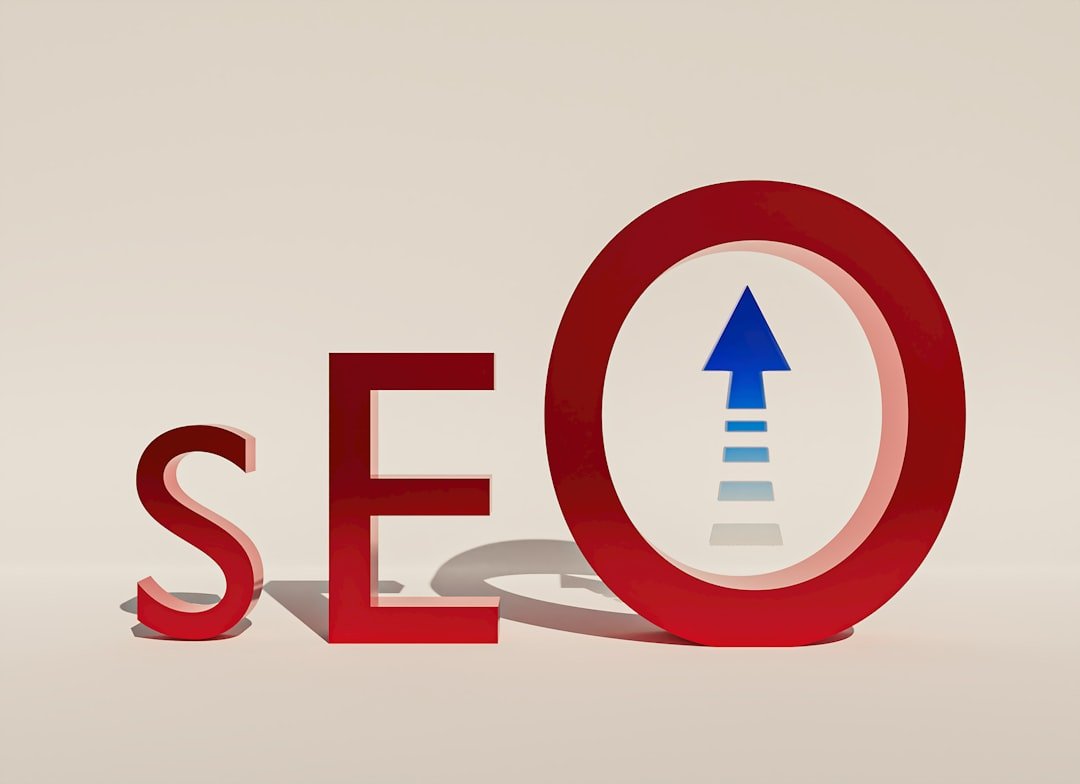
As a small business owner, you may have heard the term SEO, or Search Engine Optimisation, thrown around in marketing discussions. But what does it really mean for you? At its core, SEO is the practice of enhancing your online presence to improve your visibility on search engines like Google.
When potential customers search for products or services that you offer, you want your business to appear prominently in the search results. This is crucial because studies show that most users rarely venture beyond the first page of search results. Therefore, understanding the basics of SEO can be a game-changer for your business.
To get started, it’s essential to grasp the fundamental components of SEO. These include on-page optimisation, off-page optimisation, and technical SEO. On-page optimisation involves refining elements on your website, such as content and meta tags, to make them more appealing to search engines.
Off-page optimisation focuses on building your website’s authority through backlinks and social media engagement. Technical SEO ensures that your website is structured correctly and is easy for search engines to crawl. By familiarising yourself with these elements, you can begin to implement effective strategies that will enhance your online visibility.
Summary
- Grasp fundamental SEO principles tailored for small business growth.
- Select relevant keywords that align with your target audience’s search intent.
- Produce high-quality, engaging content to boost search engine rankings.
- Enhance website usability to improve visitor experience and retention.
- Leverage local SEO and backlinks to strengthen online presence and authority.
Identifying the Right Keywords for Your Business
Once you have a grasp of the basics, the next step is identifying the right keywords for your business. Keywords are the phrases and terms that potential customers use when searching for products or services online. Selecting the right keywords is crucial because they will guide your content creation and optimisation efforts.
You want to target keywords that not only reflect what you offer but also have a reasonable search volume and low competition. To find suitable keywords, consider using tools like Google Keyword Planner or SEMrush. These tools can help you discover popular search terms related to your industry.
Additionally, think about the specific needs and pain points of your target audience. What questions are they asking? What problems are they trying to solve?
By understanding their perspective, you can identify long-tail keywords—more specific phrases that often have less competition but can drive highly targeted traffic to your site. This targeted approach will not only improve your chances of ranking higher in search results but also attract visitors who are more likely to convert into customers.
Creating Quality Content to Improve Search Rankings
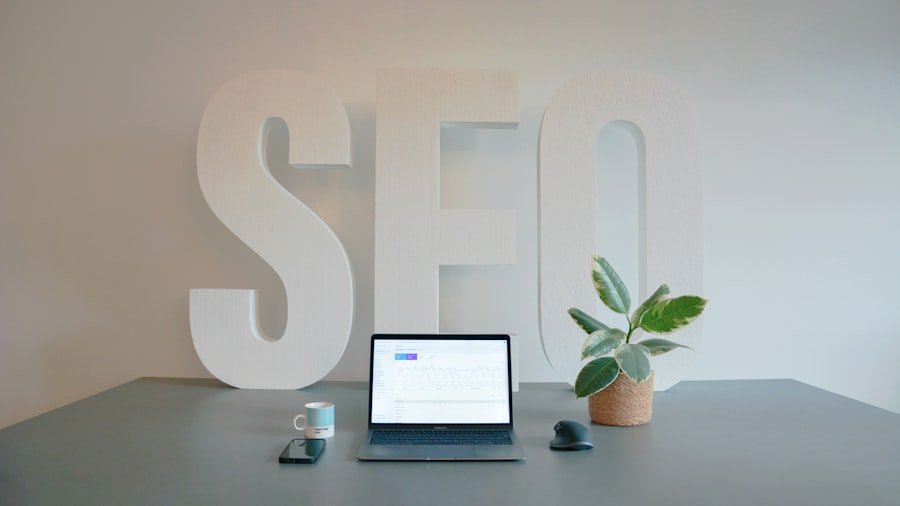
With your keywords in hand, it’s time to focus on creating quality content that resonates with your audience and improves your search rankings. Content is king in the world of SEO; it’s what attracts visitors to your site and keeps them engaged. High-quality content should be informative, relevant, and engaging, providing real value to your readers.
This could take the form of blog posts, articles, videos, or infographics—whatever best suits your audience’s preferences. When crafting your content, ensure that you naturally incorporate your chosen keywords without overstuffing them. Search engines favour content that reads well and provides genuine insights.
Additionally, consider using headings and subheadings to break up your text and make it easier for readers to digest. Engaging visuals can also enhance user experience and keep visitors on your page longer, which is a positive signal to search engines. Remember, the goal is not just to rank higher but also to establish yourself as an authority in your field.
Optimising Your Website for Better User Experience
| Metric | Description | Recommended Value | Impact on User Experience |
|---|---|---|---|
| Page Load Time | Time taken for a webpage to fully load | Under 3 seconds | Faster load times reduce bounce rates and improve engagement |
| Mobile Responsiveness | Ability of the website to adapt to different screen sizes | 100% responsive design | Ensures usability across devices, enhancing accessibility |
| Navigation Simplicity | Ease with which users can find information | Clear menus with less than 5 main options | Improves user satisfaction and reduces frustration |
| Accessibility Score | Compliance with accessibility standards (e.g., WCAG) | AA or higher | Makes the website usable for people with disabilities |
| Content Readability | Clarity and simplicity of text content | Flesch Reading Ease score above 60 | Enhances comprehension and user retention |
| Interactive Elements | Number of user-friendly interactive features (buttons, forms) | Optimised for ease of use | Encourages user engagement and conversions |
| Error Rate | Frequency of broken links or technical errors | Less than 1% | Maintains trust and smooth user journey |
Creating quality content is only part of the equation; you must also optimise your website for a better user experience. A well-structured website not only helps search engines understand your content but also makes it easier for visitors to navigate. Start by ensuring that your website is mobile-friendly, as an increasing number of users access the internet via their smartphones.
A responsive design will ensure that your site looks good and functions well on all devices. In addition to mobile optimisation, pay attention to page load speed. A slow-loading website can frustrate users and lead them to abandon your site before it even fully loads.
Tools like Google PageSpeed Insights can help you identify areas for improvement. Furthermore, consider implementing clear calls-to-action (CTAs) throughout your site to guide visitors toward taking desired actions, whether that’s signing up for a newsletter or making a purchase. By prioritising user experience, you’ll not only improve your SEO but also foster customer loyalty.
Building Quality Backlinks to Increase Website Authority
Another critical aspect of SEO is building quality backlinks to increase your website’s authority. Backlinks are links from other websites that point to yours; they act as endorsements of your content and can significantly impact your search rankings. However, not all backlinks are created equal—quality matters more than quantity.
A few links from reputable sites in your industry can be far more beneficial than numerous links from low-quality sources. To build quality backlinks, consider reaching out to industry influencers or bloggers who may be interested in sharing your content. Guest blogging is another effective strategy; by writing articles for other websites in exchange for a link back to yours, you can tap into new audiences while enhancing your credibility.
Additionally, creating shareable content—such as infographics or comprehensive guides—can encourage others to link back to you organically. Remember, building backlinks takes time and effort, but the payoff in terms of improved authority and search rankings is well worth it.
Utilising Local SEO to Attract Nearby Customers

For many small businesses, local SEO is an invaluable tool for attracting nearby customers. Local SEO focuses on optimising your online presence to ensure that you appear in local search results when potential customers are looking for services in their area. This is particularly important if you have a physical storefront or offer services within a specific geographic location.
To optimise for local SEO, start by claiming and verifying your Google My Business listing. This free tool allows you to manage how your business appears on Google Maps and in local search results. Ensure that all information—such as your address, phone number, and business hours—is accurate and up-to-date.
Additionally, encourage satisfied customers to leave positive reviews on Google and other review platforms; these reviews not only enhance your credibility but also improve your local search rankings. By focusing on local SEO strategies, you can effectively connect with customers in your area who are actively seeking what you offer.
Measuring and Analysing SEO Performance for Continuous Improvement
Once you’ve implemented various SEO strategies, it’s essential to measure and analyse their performance regularly. This ongoing evaluation will help you understand what’s working and what needs adjustment. Tools like Google Analytics and Google Search Console provide valuable insights into how users interact with your site and how well you’re ranking for targeted keywords.
Pay attention to key metrics such as organic traffic, bounce rate, and conversion rate. Organic traffic indicates how many visitors are coming from search engines, while bounce rate shows the percentage of visitors who leave after viewing only one page—high bounce rates may suggest that users aren’t finding what they’re looking for on your site. Conversion rate measures how many visitors take desired actions, such as making a purchase or signing up for a newsletter.
By analysing these metrics regularly, you can make informed decisions about where to focus your efforts for continuous improvement.
Implementing SEO Strategies for Long-Term Success
Finally, implementing effective SEO strategies is crucial for achieving long-term success in the digital landscape. SEO is not a one-time effort; it requires ongoing attention and adaptation as search engine algorithms evolve and user behaviour changes. To stay ahead of the curve, consider developing a comprehensive SEO plan that outlines specific goals and tactics tailored to your business needs.
Regularly updating your content is one way to maintain relevance; fresh content signals to search engines that your site is active and valuable. Additionally, staying informed about industry trends and algorithm updates will help you adjust your strategies accordingly. Engaging with your audience through social media and email marketing can also enhance brand loyalty and drive traffic back to your site.
By committing to a long-term SEO strategy, you’ll not only improve your visibility but also build a sustainable online presence that supports the growth of your small business. In conclusion, mastering SEO may seem daunting at first, but by understanding its fundamentals and implementing effective strategies tailored to your business needs, you can significantly enhance your online presence. From identifying the right keywords to creating quality content and optimising user experience, each step plays a vital role in improving your search rankings and attracting more customers.
Embrace the journey of continuous improvement in SEO, and watch as it transforms the way potential customers discover and engage with your small business.
For small businesses looking to enhance their online presence, understanding the nuances of local SEO is crucial. A particularly insightful resource is the article on local SEO in Ireland, which provides valuable strategies tailored to help businesses optimise their visibility in local search results. By implementing the techniques discussed in this article, small enterprises can effectively attract more customers from their immediate vicinity, ultimately driving growth and success.
FAQs
What is SEO and why is it important for small businesses?
SEO, or Search Engine Optimisation, is the process of improving a website’s visibility on search engines like Google. For small businesses, effective SEO helps attract more local customers, increase online presence, and compete with larger companies by appearing higher in search results.
How can small businesses start with SEO?
Small businesses can start with SEO by researching relevant keywords, optimising website content, ensuring the site is mobile-friendly, improving page load speed, and creating quality backlinks. Using tools like Google My Business and regularly updating content also supports SEO efforts.
Is SEO expensive for small businesses?
SEO can be cost-effective for small businesses. While hiring professional SEO services may involve some investment, many basic SEO practices can be implemented in-house with minimal cost. The return on investment is often significant due to increased website traffic and potential sales.
How long does it take to see results from SEO?
SEO is a long-term strategy, and results typically take several months to become noticeable. Factors such as competition, website age, and the quality of optimisation efforts influence the timeline. Consistent work and updates are essential for sustained success.
Can small businesses do SEO themselves or should they hire experts?
Small businesses can perform basic SEO themselves using online resources and tools. However, hiring SEO experts can provide advanced strategies, save time, and improve results, especially in competitive markets. The choice depends on budget, expertise, and business goals.
What are local SEO strategies for small businesses?
Local SEO focuses on optimising a business’s online presence to attract customers in a specific geographic area. Strategies include creating and optimising a Google My Business profile, using local keywords, obtaining customer reviews, and ensuring consistent name, address, and phone number (NAP) information across directories.
How does content affect SEO for small businesses?
High-quality, relevant content helps improve search engine rankings by providing value to users and encouraging engagement. For small businesses, regularly publishing blog posts, product descriptions, and informative pages can attract visitors and establish authority in their niche.
What role do backlinks play in SEO for small businesses?
Backlinks, or links from other websites to a business’s site, signal trust and authority to search engines. Small businesses can build backlinks by networking, guest posting, and creating shareable content. Quality backlinks improve search rankings and drive referral traffic.
Are mobile-friendly websites important for SEO?
Yes, mobile-friendly websites are crucial for SEO as search engines prioritise sites that provide a good user experience on mobile devices. With increasing mobile internet usage, a responsive design helps small businesses reach a wider audience and rank higher in search results.
How often should small businesses update their SEO strategy?
Small businesses should review and update their SEO strategy regularly, at least every six months, to adapt to changes in search engine algorithms, market trends, and business goals. Continuous optimisation ensures sustained visibility and competitiveness online.