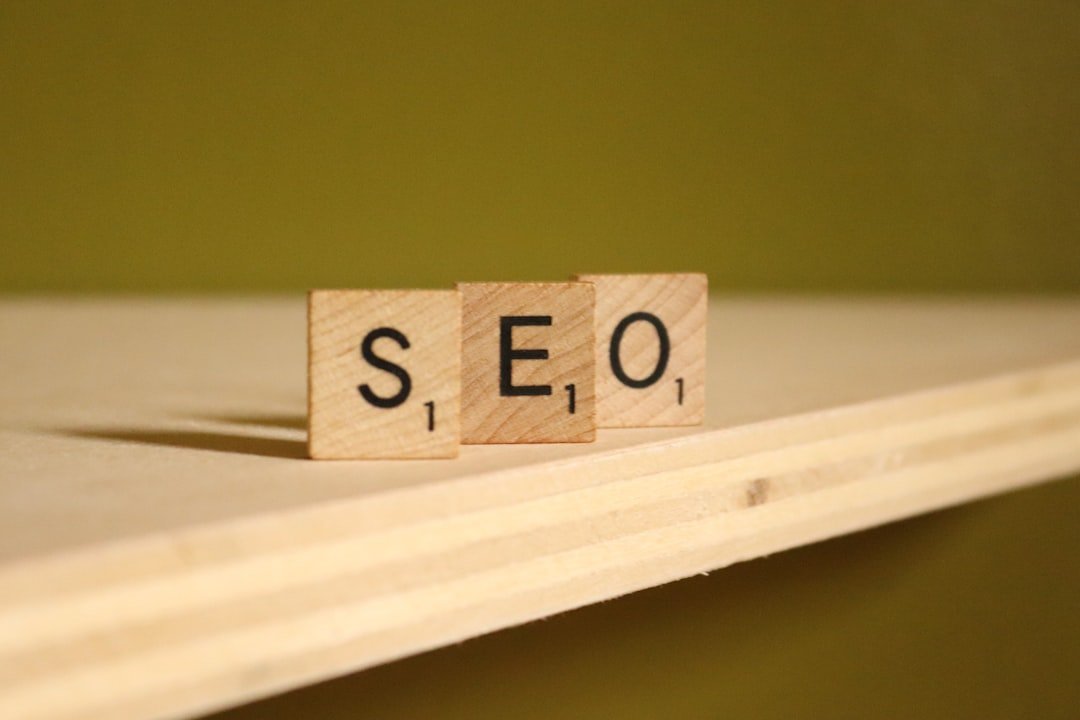
SEO Basics: A Beginner’s Guide to Search Engine Optimization
Search Engine Optimization, commonly referred to as SEO, is a multifaceted approach aimed at enhancing a website’s visibility on search…
Search Engine Optimization, commonly referred to as SEO, is a multifaceted approach aimed at enhancing a website’s visibility on search engines like Google, Bing, and Yahoo. At its core, SEO involves a series of strategies and techniques designed to improve the ranking of a website in search engine results pages (SERPs). When you search for information online, the results you see are not random; they are the product of complex algorithms that evaluate various factors to determine which pages are most relevant to your query.
Understanding these algorithms and how they work is crucial for anyone looking to optimise their online presence. As you delve deeper into the world of SEO, you will discover that it encompasses both technical and creative elements. Technical SEO focuses on the backend aspects of a website, such as site speed, mobile-friendliness, and secure connections.
On the other hand, creative SEO involves crafting compelling content that resonates with your audience. By mastering both aspects, you can create a well-rounded strategy that not only attracts visitors but also keeps them engaged. This dual focus is essential in today’s digital landscape, where user experience and content quality are paramount.
Summary
- SEO enhances website visibility by optimising content and structure for search engines.
- Effective keyword use is crucial for targeting relevant search queries and improving rankings.
- On-page SEO focuses on optimising individual pages, including meta tags and site speed.
- Off-page SEO involves building backlinks and improving site authority through external efforts.
- Regularly measuring SEO performance helps identify success and areas needing improvement.
Importance of SEO for Websites
The significance of SEO for websites cannot be overstated. In an era where millions of websites compete for attention, having a robust SEO strategy can be the difference between obscurity and success. When your website ranks higher in search results, it naturally attracts more organic traffic.
This influx of visitors can lead to increased brand awareness, higher conversion rates, and ultimately, greater revenue. For businesses, this means that investing in SEO is not merely an option; it is a necessity for survival in a competitive marketplace. Moreover, SEO is a cost-effective marketing strategy compared to traditional advertising methods.
While pay-per-click (PPC) campaigns can yield immediate results, they often require substantial financial investment. In contrast, effective SEO can provide long-term benefits without the ongoing costs associated with paid advertising. By focusing on organic search traffic, you can build a sustainable online presence that continues to grow over time.
This makes SEO an invaluable tool for both small businesses and large corporations alike.
Keywords and their Role in SEO

Keywords are the cornerstone of any successful SEO strategy. These are the terms and phrases that users enter into search engines when looking for information. By identifying and targeting the right keywords, you can significantly enhance your website’s visibility.
It is essential to conduct thorough keyword research to understand what your audience is searching for and how competitive those keywords are. Tools like Google Keyword Planner and SEMrush can help you uncover valuable insights into keyword trends and search volumes. Once you have identified your target keywords, the next step is to incorporate them strategically throughout your website.
This includes placing them in key areas such as titles, headings, meta descriptions, and within the content itself. However, it is crucial to strike a balance; overusing keywords—known as keyword stuffing—can lead to penalties from search engines. Instead, aim for natural integration that enhances the readability of your content while still signalling to search engines what your page is about.
By doing so, you can improve your chances of ranking higher for those keywords.
On-Page SEO Techniques
| On-Page SEO Technique | Description | Key Metrics | Best Practice |
|---|---|---|---|
| Title Tag Optimisation | Crafting concise, relevant titles that include target keywords. | Title length (50-60 characters), Keyword presence, CTR | Include primary keyword near the beginning; keep under 60 characters |
| Meta Description | Summary snippet that appears in search results to improve click-through rate. | Description length (150-160 characters), CTR | Write compelling, keyword-rich descriptions within recommended length |
| Header Tags (H1, H2, H3) | Structuring content with headers to improve readability and keyword relevance. | Use of primary and secondary keywords in headers, Proper hierarchy | Use one H1 per page; include keywords in H2 and H3 where appropriate |
| URL Structure | Creating clean, descriptive URLs that include keywords. | URL length, Keyword inclusion, Readability | Keep URLs short, use hyphens, include target keywords |
| Image Optimisation | Using descriptive file names and alt text for images. | Alt text presence, File size, Load time | Use relevant keywords in alt text; compress images for faster loading |
| Internal Linking | Linking to other relevant pages within the website to improve navigation and SEO. | Number of internal links, Anchor text relevance | Use descriptive anchor text; link to related content naturally |
| Content Quality | Providing valuable, original, and well-structured content. | Content length, Keyword density, User engagement metrics | Focus on user intent; avoid keyword stuffing; update content regularly |
| Mobile Optimisation | Ensuring the website is responsive and performs well on mobile devices. | Mobile usability score, Page load speed on mobile | Use responsive design; optimise images and scripts for mobile |
| Page Load Speed | Reducing the time it takes for a page to fully load. | Load time (seconds), PageSpeed Insights score | Minimise HTTP requests; use caching; compress files |
| Schema Markup | Adding structured data to help search engines understand content. | Presence of schema, Rich snippets appearance | Implement relevant schema types; validate with testing tools |
On-page SEO refers to the practices you implement directly on your website to improve its ranking in search results. One of the most critical aspects of on-page SEO is ensuring that your content is high-quality and relevant to your target audience. This means creating informative articles, engaging blog posts, and useful resources that address the needs and interests of your visitors.
Additionally, optimising your content structure with clear headings and subheadings can enhance user experience and make it easier for search engines to crawl your site. Another vital technique involves optimising meta tags, including title tags and meta descriptions. These elements serve as the first impression for users browsing search results; therefore, crafting compelling and informative meta tags can significantly impact click-through rates.
Furthermore, ensuring that your website is mobile-friendly is essential in today’s digital landscape. With an increasing number of users accessing websites via smartphones and tablets, having a responsive design can improve user experience and boost your rankings on mobile search results.
Off-Page SEO Strategies
While on-page SEO focuses on elements within your website, off-page SEO encompasses activities conducted outside of your site that influence its authority and ranking. One of the most effective off-page strategies is link building, which involves acquiring backlinks from reputable websites. Search engines view backlinks as votes of confidence; the more high-quality links pointing to your site, the more authoritative it appears in the eyes of search engines.
Engaging in guest blogging or collaborating with influencers in your industry can be excellent ways to build these valuable links. Social media also plays a significant role in off-page SEO. By sharing your content across various platforms, you can increase its visibility and drive traffic back to your website.
Engaging with your audience on social media not only helps build brand loyalty but also encourages shares and interactions that can lead to more backlinks. Additionally, participating in online communities or forums related to your niche can help establish your authority and drive referral traffic to your site.
The Role of Content in SEO

Content is often referred to as king in the realm of SEO, and for good reason. High-quality content not only attracts visitors but also keeps them engaged and encourages them to return. When creating content for your website, it is essential to focus on providing value to your audience.
This means addressing their pain points, answering their questions, and offering solutions that resonate with them. By doing so, you establish yourself as an authority in your field and build trust with your audience. Moreover, regularly updating your content can have a positive impact on your SEO efforts.
Search engines favour fresh content; therefore, revisiting older articles to add new information or insights can help maintain or improve their rankings. Additionally, incorporating various types of content—such as videos, infographics, and podcasts—can cater to different preferences among your audience and enhance user engagement. Ultimately, a well-rounded content strategy is vital for achieving long-term success in SEO.
Measuring SEO Success
To determine the effectiveness of your SEO efforts, it is crucial to measure success through various metrics and tools. Google Analytics is an invaluable resource that provides insights into website traffic, user behaviour, and conversion rates. By analysing this data, you can identify which strategies are working well and which areas require improvement.
Key performance indicators (KPIs) such as organic traffic growth, bounce rates, and average session duration can help you gauge the overall health of your SEO strategy. In addition to Google Analytics, tools like Google Search Console can provide valuable information about how your site appears in search results. You can monitor keyword performance, track indexing issues, and identify opportunities for optimisation.
Regularly reviewing these metrics allows you to make informed decisions about your SEO strategy and adapt as necessary to stay ahead of the competition.
Common SEO Mistakes to Avoid
As you embark on your SEO journey, it is essential to be aware of common pitfalls that could hinder your progress. One frequent mistake is neglecting mobile optimisation; with an increasing number of users accessing websites via mobile devices, failing to provide a seamless experience can lead to high bounce rates and lost opportunities. Ensure that your website is responsive and loads quickly on all devices.
Another common error is overlooking the importance of local SEO if you operate a brick-and-mortar business or serve specific geographic areas. Failing to optimise for local searches can result in missed opportunities from potential customers in your vicinity. Additionally, remember that quality trumps quantity when it comes to backlinks; focusing on acquiring links from reputable sources rather than pursuing low-quality links will yield better long-term results.
In conclusion, mastering SEO requires a comprehensive understanding of various strategies and techniques that work together to enhance your online presence. By focusing on both on-page and off-page elements while prioritising high-quality content and user experience, you can significantly improve your website’s visibility in search engine results. Regularly measuring success through analytics tools will help you refine your approach over time while avoiding common mistakes will ensure that you stay on the right path towards achieving your digital marketing goals.
For those embarking on their journey into the world of SEO, understanding the importance of local link building can be crucial. A related article that delves into this topic is Affordable Local Link Building Services Dublin, which provides insights into effective strategies for enhancing your website’s visibility in local search results. This resource is particularly beneficial for beginners looking to establish a strong online presence in their local market.
FAQs
What is SEO?
SEO stands for Search Engine Optimisation. It is the process of improving a website’s visibility on search engines like Google, making it easier for users to find the site when searching for relevant terms.
Why is SEO important for beginners?
SEO is important for beginners because it helps increase organic traffic to a website without paying for advertisements. Understanding SEO basics allows new website owners to attract more visitors and grow their online presence effectively.
What are the main components of SEO?
The main components of SEO include on-page SEO (optimising content and HTML source code), off-page SEO (building backlinks and social signals), and technical SEO (improving site speed, mobile-friendliness, and crawlability).
How long does it take to see results from SEO?
SEO results typically take several weeks to months to become noticeable. The exact time depends on factors such as competition, website age, content quality, and the effectiveness of optimisation efforts.
Do I need to know coding to do SEO?
No, you do not need to know coding to start with SEO. Many SEO tasks can be done using user-friendly tools and platforms. However, basic knowledge of HTML and website structure can be helpful.
What is keyword research?
Keyword research is the process of identifying the words and phrases that people use when searching for information related to your website. It helps in creating content that matches user intent and improves search rankings.
Can SEO guarantee top rankings on Google?
No, SEO cannot guarantee top rankings because search engine algorithms are complex and constantly changing. However, following best practices increases the chances of higher visibility and better rankings.
Is SEO a one-time task?
No, SEO is an ongoing process. Search engines update their algorithms regularly, and competitors also optimise their sites. Continuous monitoring and updating are necessary to maintain and improve rankings.
What tools can beginners use for SEO?
Beginners can use tools like Google Analytics, Google Search Console, Ubersuggest, and Moz’s free SEO tools to track performance, conduct keyword research, and identify optimisation opportunities.
Does SEO only apply to Google?
While Google is the most popular search engine, SEO principles apply to other search engines like Bing and Yahoo as well. Optimising for Google generally benefits visibility across most search platforms.