Ensuring Web Accessibility Compliance: A Priority for All
Web accessibility compliance refers to the practice of ensuring that websites are usable by everyone, including individuals with disabilities. This…
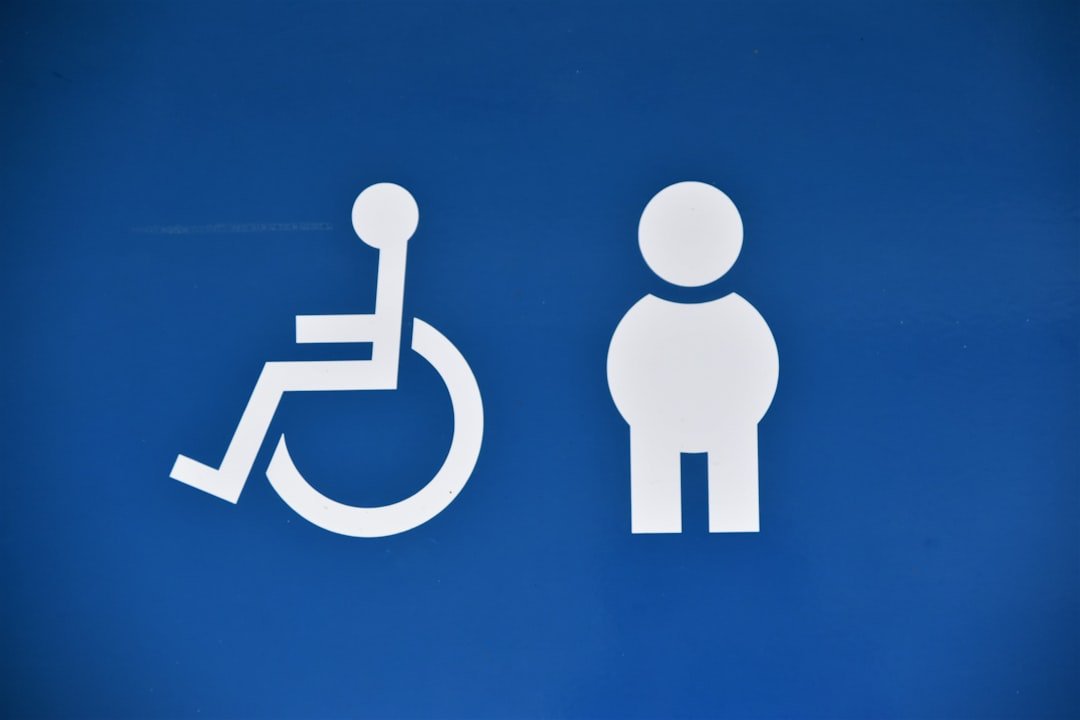
Web accessibility compliance refers to the practice of ensuring that websites are usable by everyone, including individuals with disabilities. This encompasses a range of disabilities, such as visual impairments, hearing loss, cognitive limitations, and motor difficulties. When you think about web accessibility, it’s essential to consider how various users interact with digital content.
For instance, a visually impaired person may rely on screen readers to navigate a website, while someone with motor difficulties might use alternative input devices. Therefore, compliance is not merely a technical requirement; it is a commitment to inclusivity and equal access. To achieve web accessibility compliance, you must adhere to established guidelines and standards, such as the Web Content Accessibility Guidelines (WCAG).
These guidelines provide a framework for creating accessible web content and are structured around four key principles: perceivable, operable, understandable, and robust. By understanding these principles, you can begin to assess your website’s current accessibility status and identify areas for improvement. Compliance is not a one-time effort but an ongoing process that requires continuous evaluation and adaptation as technologies and user needs evolve.
Summary
- Web accessibility ensures digital content is usable by people with disabilities, promoting inclusivity.
- Legal frameworks mandate organisations to comply with accessibility standards to avoid penalties.
- Common barriers include poor colour contrast, lack of keyboard navigation, and missing alt text.
- Employing strategies like semantic HTML and ARIA roles helps achieve compliance effectively.
- Ongoing training, monitoring, and use of specialised tools are essential to maintain accessibility standards.
The Importance of Web Accessibility
The significance of web accessibility cannot be overstated. In an increasingly digital world, where online presence is crucial for businesses and organisations, ensuring that your website is accessible to all users is not just a moral obligation but also a strategic advantage. By making your website accessible, you open the door to a broader audience, which can lead to increased traffic, higher engagement rates, and ultimately, greater revenue.
When you consider that approximately 15% of the global population lives with some form of disability, the potential market for accessible websites is substantial. Moreover, web accessibility fosters a positive user experience for everyone. When you design your website with accessibility in mind, you create a more intuitive and user-friendly environment.
Features such as clear navigation, readable fonts, and alternative text for images benefit all users, not just those with disabilities. This inclusive approach can enhance your brand’s reputation and build customer loyalty, as users appreciate businesses that prioritise accessibility and inclusivity.
Legal Requirements and Responsibilities
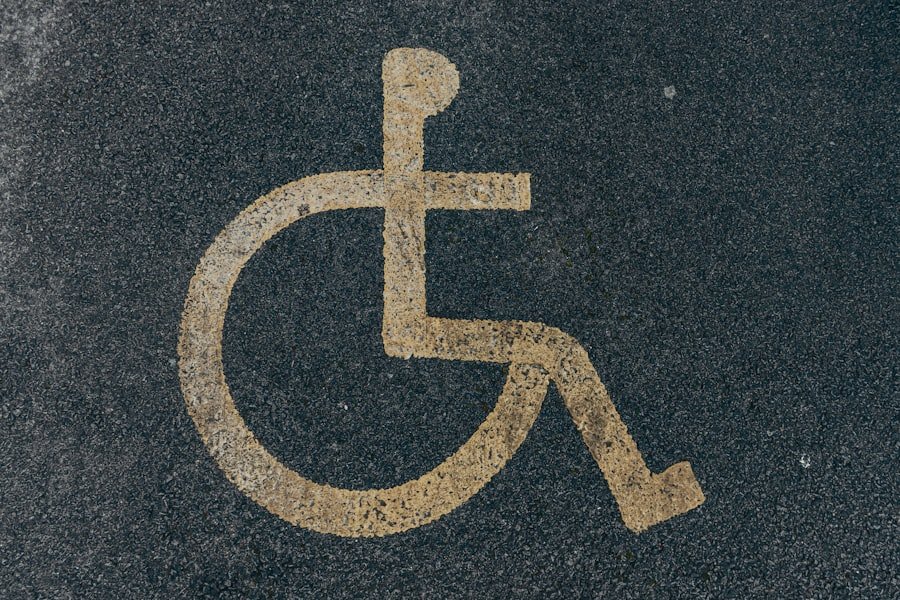
In many countries, there are legal requirements surrounding web accessibility that you must be aware of. For instance, in the UK, the Equality Act 2010 mandates that public sector websites must be accessible to all users. Failure to comply with these regulations can result in legal repercussions, including fines and lawsuits.
As a website owner or developer, it is your responsibility to ensure that your site meets these legal standards. Understanding the specific requirements applicable to your region is crucial in avoiding potential pitfalls. Beyond legal obligations, there is an ethical responsibility to ensure that your website is accessible.
By neglecting this aspect of web design, you risk alienating a significant portion of your audience. It is essential to recognise that accessibility is not just about compliance; it is about creating an inclusive digital environment where everyone can participate fully. By prioritising accessibility in your web development process, you demonstrate a commitment to social responsibility and equality.
Common Barriers to Web Accessibility
Despite the growing awareness of web accessibility, several common barriers still hinder progress in this area. One significant barrier is the lack of knowledge and understanding among web developers and designers regarding accessibility best practices. Many professionals may not have received formal training in this area or may be unaware of the specific guidelines that exist.
This knowledge gap can lead to unintentional oversights that compromise the accessibility of websites. Another barrier is the perception that making a website accessible is too time-consuming or costly. While it may require an initial investment of time and resources to implement accessibility features, the long-term benefits far outweigh these costs.
Additionally, many accessibility improvements can be integrated into the design process from the outset rather than as an afterthought. By addressing these barriers head-on and fostering a culture of accessibility within your organisation, you can create a more inclusive digital landscape.
Strategies for Achieving Web Accessibility Compliance
| Metric | Description | WCAG Guideline | Compliance Level | Typical Pass Rate (%) |
|---|---|---|---|---|
| Colour Contrast Ratio | Ensures text is distinguishable from background | 1.4.3 Contrast (Minimum) | AA | 85 |
| Keyboard Accessibility | All functionality available via keyboard | 2.1.1 Keyboard | AA | 90 |
| Alt Text for Images | Provides descriptive text for non-text content | 1.1.1 Non-text Content | AA | 88 |
| Page Titles | Descriptive and unique page titles | 2.4.2 Page Titled | AA | 95 |
| Form Labels | Labels associated with form controls | 3.3.2 Labels or Instructions | AA | 80 |
| Focus Visible | Visible focus indicator for keyboard users | 2.4.7 Focus Visible | AA | 75 |
| Time Limits | Options to extend or disable time limits | 2.2.1 Timing Adjustable | AA | 60 |
To achieve web accessibility compliance effectively, you should adopt a multi-faceted approach that incorporates various strategies. First and foremost, conducting an accessibility audit of your website is essential. This audit will help you identify existing barriers and areas for improvement.
You can use automated tools to assist in this process; however, manual testing with real users is equally important to gain insights into their experiences. Incorporating accessibility into your design process from the beginning is another crucial strategy. This means considering accessibility during the planning stages and ensuring that all team members are aware of its importance.
You might also consider involving users with disabilities in the testing phase to gather valuable feedback on their experiences navigating your site. By prioritising accessibility throughout the development lifecycle, you can create a more inclusive product that meets the needs of all users.
Tools and Resources for Ensuring Web Accessibility

There are numerous tools and resources available to help you ensure web accessibility compliance effectively. Automated testing tools such as WAVE, Axe, and Lighthouse can provide valuable insights into potential accessibility issues on your website. These tools can quickly identify problems such as missing alt text or insufficient colour contrast, allowing you to address them promptly.
In addition to automated tools, various online resources offer guidance on best practices for web accessibility. The WCAG guidelines are an excellent starting point for understanding the principles of accessible design. Furthermore, organisations like the Web Accessibility Initiative (WAI) provide comprehensive resources and training materials that can help you stay informed about the latest developments in web accessibility.
By leveraging these tools and resources, you can enhance your website’s accessibility and ensure compliance with established standards.
Training and Education for Web Accessibility Compliance
Training and education play a vital role in achieving web accessibility compliance within your organisation. It is essential to ensure that all team members—designers, developers, content creators—are equipped with the knowledge and skills necessary to create accessible content. Consider implementing regular training sessions or workshops focused on web accessibility best practices.
This investment in education will not only improve your team’s understanding but also foster a culture of inclusivity within your organisation. Additionally, staying updated on the latest trends and developments in web accessibility is crucial. The digital landscape is constantly evolving, and new technologies may present both challenges and opportunities for accessibility.
Encourage your team to participate in webinars, conferences, or online courses related to web accessibility. By prioritising ongoing education, you can ensure that your organisation remains at the forefront of accessible design practices.
Monitoring and Maintaining Web Accessibility Compliance
Achieving web accessibility compliance is not a one-time task; it requires ongoing monitoring and maintenance to ensure that your website remains accessible over time. Regular audits should be conducted to identify any new barriers that may arise due to updates or changes in content. Establishing a routine for checking accessibility can help you stay proactive in addressing potential issues before they affect users.
Furthermore, consider implementing feedback mechanisms on your website that allow users to report accessibility issues they encounter. This direct feedback can provide invaluable insights into areas needing improvement and demonstrate your commitment to inclusivity. By fostering an environment where users feel empowered to share their experiences, you can continuously enhance your website’s accessibility and ensure compliance with established standards.
In conclusion, web accessibility compliance is an essential aspect of modern web design that benefits everyone involved—from users with disabilities to businesses seeking to expand their reach. By understanding the importance of accessibility, adhering to legal requirements, identifying common barriers, implementing effective strategies, utilising available tools and resources, prioritising training and education, and committing to ongoing monitoring and maintenance, you can create an inclusive digital environment that serves all users effectively. Embracing this commitment not only enhances user experience but also positions your organisation as a leader in social responsibility within the digital landscape.
FAQs
What is web accessibility compliance?
Web accessibility compliance refers to the practice of designing and developing websites so that they can be used by everyone, including people with disabilities. It involves adhering to established guidelines and standards, such as the Web Content Accessibility Guidelines (WCAG), to ensure equal access to online content.
Why is web accessibility compliance important?
Web accessibility compliance is important because it ensures that all users, regardless of their physical or cognitive abilities, can access and interact with web content. It promotes inclusivity, improves user experience, and helps organisations meet legal requirements related to disability discrimination.
What are the main standards for web accessibility compliance?
The primary standards for web accessibility compliance are the Web Content Accessibility Guidelines (WCAG), developed by the World Wide Web Consortium (W3C). WCAG provides a set of recommendations organised into principles such as perceivable, operable, understandable, and robust (POUR). Many countries adopt these guidelines into their legal frameworks.
Who needs to comply with web accessibility standards?
Organisations that provide public services, government bodies, educational institutions, and businesses with an online presence are generally required to comply with web accessibility standards. The specific legal obligations vary by country, but ensuring accessibility is considered best practice for all websites.
How can I test if my website is accessible?
You can test your website’s accessibility using automated tools, such as WAVE or Axe, which scan for common issues. However, manual testing, including keyboard navigation and screen reader compatibility checks, is also essential to identify more complex accessibility barriers.
What are some common web accessibility features?
Common accessibility features include alternative text for images, keyboard navigability, sufficient colour contrast, resizable text, captions for videos, and clear, consistent navigation. These features help users with visual, auditory, motor, or cognitive impairments access content effectively.
What are the consequences of not complying with web accessibility laws?
Failure to comply with web accessibility laws can result in legal action, financial penalties, reputational damage, and exclusion of potential users. Many countries have legislation, such as the Equality Act 2010 in the UK, that mandates reasonable adjustments to digital services.
How often should web accessibility be reviewed?
Web accessibility should be reviewed regularly, especially after website updates or redesigns. Continuous monitoring ensures ongoing compliance and addresses new accessibility challenges as technologies and user needs evolve.