
Improving Web Accessibility through British Standard Guidelines
In an increasingly digital world, the importance of web accessibility cannot be overstated. As you navigate the vast expanse of…
In an increasingly digital world, the importance of web accessibility cannot be overstated. As you navigate the vast expanse of the internet, you may not always consider the barriers that some users face when trying to access online content. Web accessibility ensures that all individuals, regardless of their abilities or disabilities, can interact with websites and digital platforms effectively.
This is where the British Standard Guidelines come into play, providing a framework for creating inclusive digital experiences. These guidelines are designed to help organisations understand and implement best practices in web accessibility, ensuring that no one is left behind in the digital age. The British Standard Guidelines for web accessibility are rooted in the principles of inclusivity and usability.
They serve as a benchmark for organisations aiming to create websites that cater to a diverse audience. By adhering to these standards, you not only enhance the user experience for individuals with disabilities but also improve overall site usability for everyone. This article will delve into the significance of web accessibility, explore the British Standard Guidelines in detail, and discuss how you can implement these standards to create a more inclusive online environment.
Summary
- Web accessibility ensures digital content is usable by everyone, guided by British Standard Guidelines.
- The British Standard provides clear criteria to make websites accessible to diverse user needs.
- Implementing these standards improves user experience and legal compliance.
- Challenges in adoption can be overcome with practical solutions and ongoing training.
- Future trends focus on evolving standards to address emerging technologies and inclusivity.
Understanding the Importance of Web Accessibility for All Users
Web accessibility is crucial for fostering an inclusive society where everyone has equal access to information and services. When you consider that approximately one in five people in the UK has a disability, it becomes clear that web accessibility is not just a legal obligation but a moral imperative. By ensuring that your website is accessible, you are acknowledging the diverse needs of your audience and taking steps to accommodate them.
This commitment not only enhances user satisfaction but also broadens your reach, allowing you to connect with a larger demographic. Moreover, web accessibility benefits all users, not just those with disabilities. For instance, consider individuals who may have temporary impairments, such as a broken arm or visual fatigue from prolonged screen time.
An accessible website can provide them with a more comfortable browsing experience. Additionally, older adults may face challenges when navigating complex websites. By prioritising accessibility, you create a more user-friendly environment that caters to everyone’s needs, ultimately leading to increased engagement and loyalty.
Overview of the British Standard Guidelines for Web Accessibility
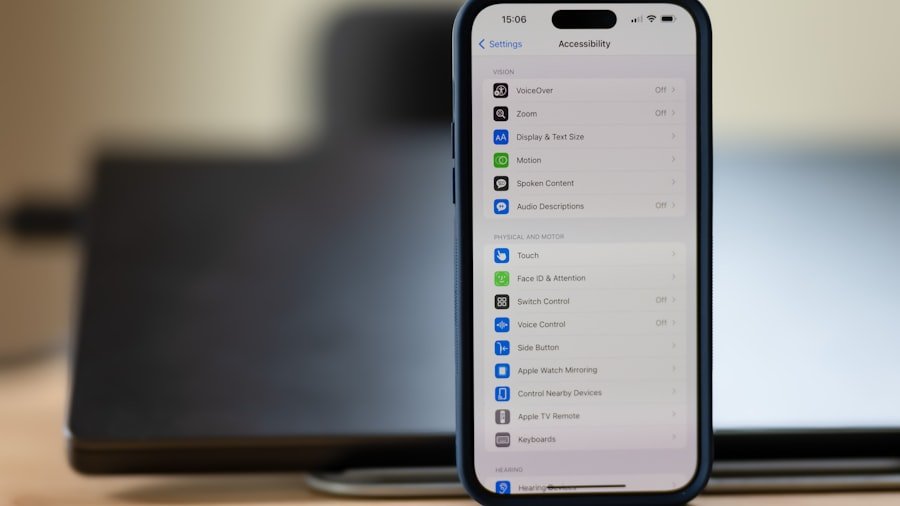
The British Standard Guidelines for web accessibility, specifically BS 8878, provide a comprehensive framework for organisations looking to enhance their digital offerings. These guidelines outline a series of best practices and recommendations that help ensure websites are usable by people with various disabilities. The guidelines cover a wide range of topics, including text alternatives for non-text content, keyboard navigation, and the importance of clear and consistent navigation structures.
One of the key aspects of BS 8878 is its emphasis on user involvement throughout the design and development process. This means that as you create or update your website, it is essential to engage with users who have disabilities to gain insights into their experiences and challenges. By incorporating their feedback, you can make informed decisions that lead to a more accessible and user-friendly website.
The guidelines also encourage ongoing evaluation and improvement, recognising that web accessibility is not a one-time effort but an ongoing commitment.
Implementing British Standard Guidelines to Improve Web Accessibility
| Metric | Description | Before Implementation | After Implementation | Improvement |
|---|---|---|---|---|
| WCAG Compliance Level | Conformance to Web Content Accessibility Guidelines | Level A | Level AA | Upgraded by one level |
| Keyboard Navigation Success Rate | Percentage of pages fully navigable using keyboard only | 65% | 95% | +30% |
| Screen Reader Compatibility | Percentage of pages correctly interpreted by screen readers | 70% | 98% | +28% |
| Colour Contrast Ratio | Percentage of text meeting minimum contrast ratio of 4.5:1 | 60% | 100% | +40% |
| Alt Text Coverage | Percentage of images with descriptive alternative text | 55% | 99% | +44% |
| Accessible Forms | Percentage of forms with proper labels and error identification | 50% | 90% | +40% |
| Page Load Time (seconds) | Average time for pages to load fully | 4.2 | 3.5 | -0.7 seconds |
| User Satisfaction Score | Average rating from users with disabilities (scale 1-10) | 5.8 | 8.7 | +2.9 |
Implementing the British Standard Guidelines requires a strategic approach that involves multiple stakeholders within your organisation. Start by conducting an accessibility audit of your existing website to identify areas that need improvement. This audit should assess various elements such as colour contrast, text size, alt text for images, and overall navigation structure.
Once you have identified the gaps, you can prioritise changes based on their impact on user experience. In addition to making technical adjustments, it is vital to foster a culture of accessibility within your organisation. This involves training your team on the importance of web accessibility and equipping them with the skills needed to implement best practices.
Encourage collaboration between designers, developers, and content creators to ensure that accessibility is considered at every stage of the project lifecycle. By embedding accessibility into your organisational ethos, you will create a more inclusive digital environment that benefits all users.
Benefits of Complying with British Standard Guidelines for Web Accessibility
Complying with the British Standard Guidelines for web accessibility offers numerous benefits beyond simply meeting legal requirements. Firstly, it enhances your brand reputation by demonstrating your commitment to inclusivity and social responsibility. In today’s socially conscious market, consumers are increasingly drawn to brands that prioritise accessibility and inclusivity.
By showcasing your dedication to these values, you can differentiate yourself from competitors and build stronger relationships with your audience. Furthermore, accessible websites often perform better in search engine rankings. Search engines like Google favour sites that provide a positive user experience, which includes accessibility features.
By adhering to the British Standard Guidelines, you not only improve usability for individuals with disabilities but also enhance your site’s overall performance in search results. This can lead to increased traffic and higher conversion rates as more users are able to engage with your content seamlessly.
Challenges and Solutions in Meeting British Standard Guidelines for Web Accessibility

While the benefits of complying with British Standard Guidelines are clear, there are challenges that organisations may face during implementation. One common obstacle is the lack of awareness or understanding of web accessibility among team members. Many designers and developers may not be familiar with the specific requirements outlined in the guidelines or may underestimate their importance.
To address this challenge, consider providing comprehensive training sessions that educate your team about web accessibility principles and best practices. Another challenge is the potential cost associated with making necessary changes to existing websites. While some adjustments may require minimal investment, others could involve significant resources or technical expertise.
To mitigate this issue, prioritise changes based on their impact on user experience and consider phased implementation. Start with high-impact areas that will yield immediate benefits and gradually work towards more complex adjustments over time. This approach allows you to manage costs while still making meaningful progress towards compliance.
Case Studies of Successful Implementation of British Standard Guidelines
Examining case studies of organisations that have successfully implemented British Standard Guidelines can provide valuable insights into effective strategies and best practices. For instance, a well-known UK retailer undertook a comprehensive accessibility audit of their website after receiving feedback from customers with disabilities. By engaging users in the design process and implementing changes based on their input, they were able to create a more inclusive online shopping experience.
As a result, they saw an increase in sales from customers who had previously struggled to navigate their site. Another example involves a public sector organisation that recognised the need for improved web accessibility following a review of their digital services. They collaborated with accessibility experts to redesign their website according to BS 8878 guidelines.
The new site featured enhanced navigation options, improved text readability, and better support for assistive technologies. Following the launch of the updated site, user satisfaction ratings significantly increased, demonstrating the positive impact of prioritising accessibility.
Future Trends and Developments in Web Accessibility and British Standard Guidelines
As technology continues to evolve, so too will the landscape of web accessibility and the British Standard Guidelines that govern it. One emerging trend is the increasing use of artificial intelligence (AI) in enhancing web accessibility features. AI-driven tools can help automate aspects of accessibility testing and provide real-time feedback on potential issues during the design process.
This technology has the potential to streamline compliance efforts and make it easier for organisations to maintain accessible websites. Additionally, as more users engage with digital content through mobile devices, there is a growing emphasis on mobile accessibility within the British Standard Guidelines. Ensuring that websites are optimised for mobile use is essential for reaching a broader audience and providing an inclusive experience across all platforms.
As you look towards the future, staying informed about these trends will be crucial in maintaining compliance with evolving standards and meeting the needs of all users effectively. In conclusion, web accessibility is an essential aspect of creating inclusive digital experiences for all users. By understanding the importance of web accessibility and implementing the British Standard Guidelines effectively, you can enhance user satisfaction while broadening your reach in an increasingly competitive online landscape.
Embracing these principles not only benefits individuals with disabilities but also enriches the overall user experience for everyone who interacts with your digital content.
FAQs
What are web standards?
Web standards are a set of technical specifications and guidelines established by organisations such as the World Wide Web Consortium (W3C) to ensure websites are built in a consistent, interoperable, and accessible manner across different browsers and devices.
Why is accessibility important in web standards?
Accessibility ensures that websites can be used by everyone, including people with disabilities. Incorporating accessibility into web standards helps create an inclusive online environment where all users can access information and services without barriers.
What are some common web accessibility guidelines?
The most widely recognised guidelines are the Web Content Accessibility Guidelines (WCAG), which provide recommendations for making web content more accessible to people with disabilities, including those with visual, auditory, physical, speech, cognitive, language, learning, and neurological disabilities.
How do web standards improve website accessibility?
Web standards promote the use of semantic HTML, proper use of ARIA (Accessible Rich Internet Applications) roles, keyboard navigability, and other best practices that enhance the usability of websites for assistive technologies such as screen readers.
Who benefits from web accessibility?
Everyone benefits from web accessibility. While it primarily supports people with disabilities, it also improves the overall user experience for older users, people with temporary impairments, and those using mobile devices or slow internet connections.
Are web standards legally required for accessibility?
In many countries, including the UK, there are legal requirements for public sector websites and apps to meet certain accessibility standards, often based on WCAG. Compliance helps organisations avoid legal issues and ensures equal access to digital services.
How can developers test for web accessibility?
Developers can use automated tools, manual testing, and user testing with people who have disabilities to evaluate accessibility. Tools like WAVE, Axe, and Lighthouse help identify common accessibility issues in web content.
What role do browsers play in web standards and accessibility?
Browsers implement web standards to render websites correctly and support accessibility features such as keyboard navigation and screen reader compatibility. Consistent browser support is essential for maintaining accessible web experiences.
Can web standards accessibility improve SEO?
Yes, accessible websites often have better structured content and clearer navigation, which can improve search engine optimisation (SEO) by making it easier for search engines to index and understand the site’s content.
Where can I learn more about web standards and accessibility?
The World Wide Web Consortium (W3C) website offers comprehensive resources on web standards and accessibility, including the WCAG guidelines. Other useful sources include government accessibility regulations and specialised accessibility organisations.