What steps do you follow when designing a website from start to finish?
When embarking on a new project, particularly in the realm of web development or product design, the initial phase of…
When embarking on a new project, particularly in the realm of web development or product design, the initial phase of research and planning is crucial. This stage serves as the foundation upon which your entire project will be built. You must immerse yourself in understanding the market landscape, identifying your target audience, and analysing competitors.
This involves gathering data through surveys, interviews, and existing market research. By doing so, you can gain insights into user preferences and behaviours, which will inform your decisions moving forward. Moreover, planning is not merely about gathering information; it is about synthesising that information into actionable strategies.
You should create a detailed project plan that outlines timelines, resources, and key milestones. This plan will act as your roadmap, guiding you through the complexities of the project. It is essential to remain flexible during this phase, as new information may emerge that could alter your initial assumptions.
By being adaptable and open to change, you can ensure that your project remains relevant and aligned with user needs.
Summary
- Thorough research and planning are essential for a successful project, including understanding the target audience and market trends.
- Clearly define the goals and objectives of the project to ensure everyone is aligned and working towards the same outcomes.
- Wireframing and prototyping help visualise the project and gather feedback early on to make necessary adjustments.
- Design and development should focus on creating a user-friendly and visually appealing interface while ensuring functionality and performance.
- Content creation and integration should be done strategically to engage the audience and convey the brand’s message effectively.
- Testing and quality assurance are crucial to identify and fix any issues before the launch to ensure a seamless user experience.
- A successful launch and deployment require careful planning and coordination to ensure a smooth transition and minimal disruption.
- Regular maintenance and updates are necessary to keep the project running smoothly and up to date with the latest trends and technologies.
Define the Goals and Objectives
Once you have conducted thorough research, the next step is to define clear goals and objectives for your project. This process involves translating your insights into specific, measurable outcomes that you wish to achieve. You should consider what success looks like for your project and how you will measure it.
For instance, if you are developing a website, your goals might include increasing user engagement, improving conversion rates, or enhancing brand awareness. Setting SMART (Specific, Measurable, Achievable, Relevant, Time-bound) objectives can be particularly beneficial in this stage. By ensuring that your goals meet these criteria, you can create a focused approach that drives your project forward.
Additionally, involving stakeholders in this process can provide diverse perspectives and foster a sense of ownership among team members. This collaborative effort not only strengthens your objectives but also aligns everyone involved towards a common vision.
Wireframing and Prototyping

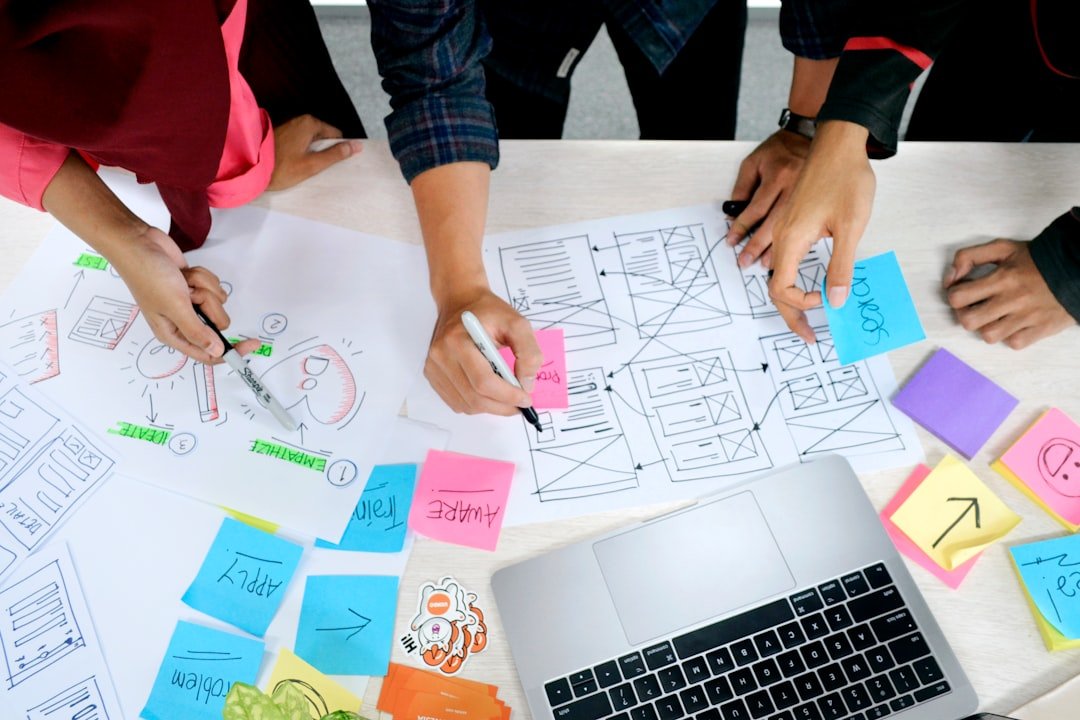
With your goals clearly defined, you can move on to wireframing and prototyping. This phase is where your ideas begin to take shape visually. Wireframes serve as blueprints for your project, outlining the layout and structure without delving into design details.
They allow you to map out user journeys and interactions, ensuring that the navigation is intuitive and user-friendly. You should focus on creating wireframes that prioritise functionality while keeping the user experience at the forefront. Prototyping takes this a step further by adding interactivity to your wireframes.
This allows you to simulate the user experience more realistically, enabling you to test concepts before full-scale development begins. You can use various tools to create prototypes that range from low-fidelity sketches to high-fidelity interactive models. Engaging potential users during this phase can provide invaluable feedback, helping you identify any usability issues early on.
By iterating on your designs based on user input, you can refine your project to better meet their needs.
Design and Development
| Category | Metric | Value |
|---|---|---|
| Design | Number of design iterations | 5 |
| Development | Code review coverage | 90% |
| Design | UI/UX testing sessions | 10 |
| Development | Number of bugs fixed | 25 |
The design and development phase is where creativity meets technical expertise. In this stage, you will translate your wireframes and prototypes into a fully functional product. The design aspect involves selecting colour schemes, typography, imagery, and overall aesthetics that align with your brand identity.
You should aim for a cohesive visual language that resonates with your target audience while ensuring accessibility for all users. On the development side, collaboration between designers and developers is essential. You must ensure that the design is feasible from a technical standpoint while also adhering to best practices in coding and performance optimisation.
This phase often involves iterative cycles of development and feedback, allowing for adjustments as needed. By maintaining open lines of communication between team members, you can address challenges promptly and keep the project on track.
Content Creation and Integration
As your design and development progress, content creation becomes a pivotal focus. High-quality content is vital for engaging users and conveying your message effectively. You should consider various types of content, including text, images, videos, and interactive elements that enhance the user experience.
Crafting compelling copy that speaks directly to your audience will help establish a connection and encourage them to take action. Integration of content into your design must be done thoughtfully. It’s important to ensure that the content complements the overall aesthetic while also being easily accessible.
You may need to collaborate with content creators or copywriters to ensure consistency in tone and style across all materials. Additionally, optimising content for search engines (SEO) can significantly improve visibility and drive traffic to your site or product. By prioritising both quality and integration during this phase, you can create a rich user experience that keeps visitors engaged.
Testing and Quality Assurance

Before launching your project, rigorous testing and quality assurance are imperative. This phase involves evaluating every aspect of your product to identify any bugs or usability issues that could hinder user experience. You should conduct various types of testing, including functional testing to ensure all features work as intended, usability testing to gather feedback from real users, and performance testing to assess load times and responsiveness.
Involving a diverse group of testers can provide different perspectives on usability and functionality. It’s essential to document any issues discovered during testing so that they can be addressed systematically. Quality assurance is not just about fixing problems; it’s about ensuring that every element of your project aligns with the goals set out in earlier phases.
By dedicating time to thorough testing, you can launch with confidence, knowing that you have delivered a polished product.
Launch and Deployment
The launch phase is an exciting yet critical moment in your project timeline. It’s the culmination of all your hard work and planning, but it also requires careful execution to ensure a smooth deployment. Before going live, you should double-check all systems are functioning correctly and that any final adjustments have been made based on testing feedback.
A well-planned launch strategy can help maximise visibility and impact. Consider creating a marketing plan that includes promotional activities leading up to the launch date. Engaging with your audience through social media teasers or email campaigns can generate buzz and anticipation around your product.
Once launched, monitor performance closely to address any immediate issues that may arise post-deployment. Being responsive during this period is crucial for maintaining user trust and satisfaction.
Maintenance and Updates
After a successful launch, the journey does not end; ongoing maintenance and updates are essential for keeping your project relevant and functional over time. Regularly monitoring performance metrics will help you identify areas for improvement or necessary updates based on user feedback. You should establish a schedule for routine maintenance tasks such as software updates, security checks, and content refreshes.
Additionally, staying attuned to industry trends and technological advancements will allow you to adapt your project as needed. Engaging with users through surveys or feedback forms can provide insights into their evolving needs and preferences. By committing to continuous improvement and being proactive in addressing issues or implementing new features, you can ensure that your project remains valuable to users long after its initial launch.
In conclusion, navigating through each phase of research and planning to maintenance requires diligence and adaptability. By following these steps methodically while remaining open to feedback and change, you can create a successful product that resonates with users and stands the test of time.
When designing a website, it is essential to follow a structured approach to ensure that the final product meets both user needs and business objectives. A related article that delves into the importance of optimising your website for search engines is available at SEO Audit Dublin. This resource provides valuable insights into the steps necessary for enhancing your website’s visibility and performance, which is a crucial aspect of the overall design process.
FAQs
What steps do you follow when designing a website from scratch?
When designing a website from scratch, the first step is to gather requirements from the client and understand their goals and target audience. Then, create a sitemap and wireframes to plan the website’s structure and layout. Next, design the visual elements and user interface, followed by coding and development. Finally, test the website for functionality and usability before launching it.
What are the key considerations when designing a website?
Key considerations when designing a website include understanding the target audience, creating a user-friendly interface, ensuring mobile responsiveness, optimizing for search engines, and maintaining brand consistency. It’s also important to prioritize accessibility, security, and performance.
How do you ensure a website is user-friendly?
To ensure a website is user-friendly, it’s important to focus on intuitive navigation, clear and concise content, fast loading times, and responsive design. Conducting usability testing and gathering feedback from real users can also help identify and address any usability issues.
What are the best practices for website design?
Best practices for website design include using a clean and modern design, prioritizing mobile responsiveness, optimizing for search engines, and ensuring fast loading times. It’s also important to use high-quality images and content, maintain consistency in branding, and provide clear calls to action.
How do you approach website design for different devices?
When designing a website for different devices, it’s important to use responsive design techniques to ensure the website adapts to various screen sizes and resolutions. This may involve using flexible grids and layouts, as well as optimizing images and content for different devices. Testing the website on different devices and browsers is also crucial to ensure a consistent user experience.